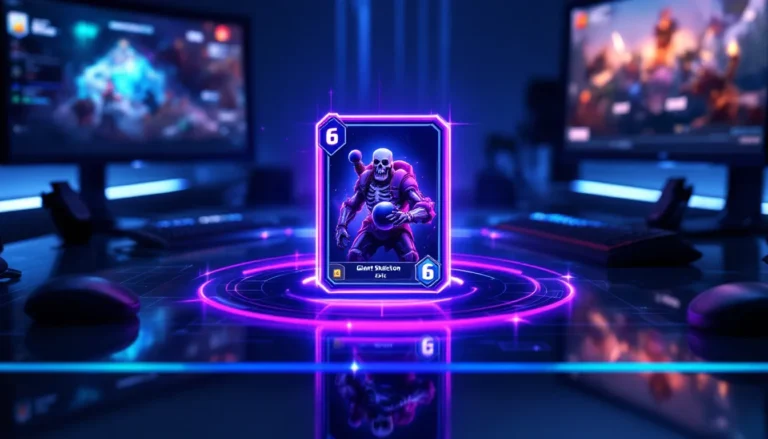
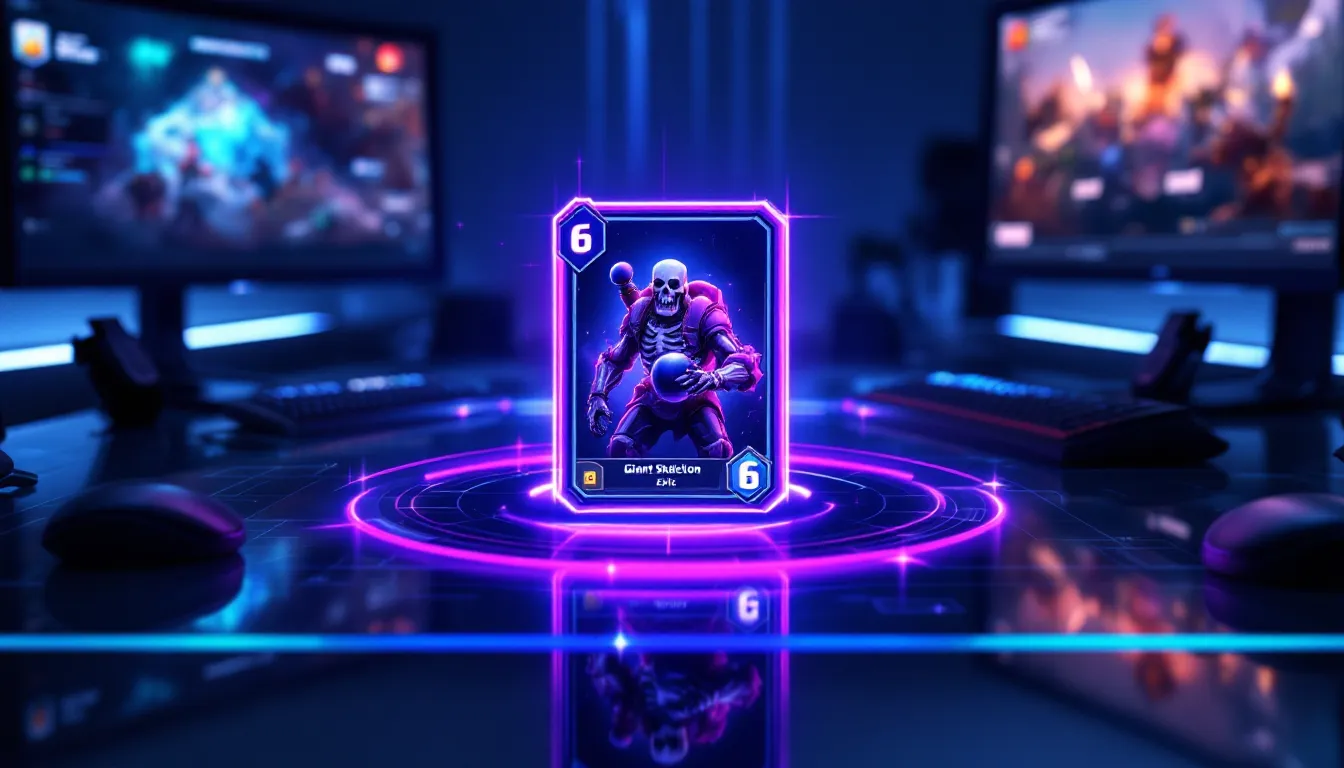
The Giant Skeleton in Clash Royale is that card everyone either loves or hates facing. It waddles toward enemy towers with a massive bomb strapped to its back, threatening to obliterate anything nearby when it goes down. That death damage mechanic makes it one of the most polarizing cards in the game, capable of single-handedly wiping out a massive push or becoming elixir-negative dead weight if countered correctly.
In 2026, the meta has shifted enough that the Giant Skeleton finds itself in a weird spot: not dominant, but far from useless. Understanding when and how to deploy this slow-moving, high-damage threat can turn matches in your favor, especially if you’re facing opponents who haven’t adapted to its quirks. Whether you’re building a beatdown deck around it or using it as a defensive nuke, knowing the ins and outs of the Giant Skeleton separates players who get value from those who just watch their six elixir disappear.
Table of Contents
ToggleKey Takeaways
- The Giant Skeleton’s 957 death damage bomb creates instant elixir swings when it dies, making it valuable even when countered, especially against beatdown and bridge spam decks.
- Kiting with cheap troops like Ice Golem or Knight is the most effective counter to Giant Skeleton, pulling it away from towers and rendering its bomb useless.
- Pairing Giant Skeleton with Tornado multiplies its defensive value by pulling defending troops into the bomb’s 4-tile radius for guaranteed wipe-outs.
- Optimal placement—behind King Tower for slow builds or at the bridge during low-elixir moments—separates skilled Giant Skeleton users from those who waste elixir on poor positioning.
- At six elixir with slow movement speed, timing and support are critical; rushing it unsupported or playing it early without knowing opponent counters guarantees unfavorable trades.
- Clone Spell creates a high-risk double-bomb combo that can secure three-crowns in under 30 seconds when perfectly timed, though it remains inconsistent against splash-heavy defense.
What Is the Giant Skeleton Card?
The Giant Skeleton is an Epic card unlocked in Electro Valley (Arena 11). It’s a high-hitpoint tank that targets buildings and carries a bomb that detonates upon death, dealing massive area damage. Unlike other tanks that focus purely on soaking damage, the Giant Skeleton’s defining feature is that death bomb, a mechanic that forces opponents to rethink how they defend.
This card costs six elixir, which puts it in the same category as the Elixir Golem and Mega Knight. The investment is steep, so misplays hurt harder than with cheaper tanks. But when it connects or dies in the right spot, that bomb can swing momentum instantly.
Card Stats and Key Attributes
At tournament standard (Level 11), the Giant Skeleton has the following stats:
- Hitpoints: 3,276
- Damage: 234 (melee, single target)
- Death Damage: 957 (area of effect)
- Hit Speed: 1.5 sec
- Speed: Slow
- Deploy Time: 1 sec
- Range: Melee (Short)
- Target: Buildings
- Count: x1
- Rarity: Epic
The most critical stat here is that 957 death damage. That’s enough to one-shot most support troops and severely damage mini-tanks. The slow movement speed (same as Giant or Golem) means you need to plan your pushes carefully, rushing a Giant Skeleton without backup is asking for it to get kited and killed for minimal value.
How the Death Damage Mechanic Works
When the Giant Skeleton is destroyed, it drops a bomb that explodes after a 3-second delay. The bomb deals 957 crown tower damage in a 4-tile radius, which is larger than a Fireball’s splash zone. This explosion affects both air and ground units, making it a serious threat to swarm and support troops alike.
The bomb timer starts as soon as the Giant Skeleton dies, and there’s no way to cancel or speed it up. Opponents can use that three-second window to move their troops out of range, but in the chaos of a push or counterpush, that’s easier said than done. The bomb can also chip towers if the Giant Skeleton dies close enough, making it valuable even if it never lands a hit.
Giant Skeleton Strengths and Weaknesses
Understanding when the Giant Skeleton shines and when it flops is key to making it work. It’s not a card you can autopilot, context matters more than with most tanks.
Major Advantages of Using Giant Skeleton
Defensive reset potential. Drop a Giant Skeleton on a massive push, and even if your opponent takes it down, the death bomb can erase Musketeer, Wizard, or Executioner support in one go. This makes it one of the best defensive tanks for shutting down beatdown decks that rely on expensive support troops.
Punishes overcommitment. If your opponent dumps elixir into a big push and the Giant Skeleton bomb detonates in the middle of it, you’re looking at a +4 or +5 elixir swing. That’s game-changing, especially in sudden death or 2x elixir.
Building-targeting pressure. Since it ignores troops, the Giant Skeleton will beeline for towers unless distracted by a building. Pair it with splash damage behind it, and opponents have to choose between dealing with the tank or the support, both options risk eating that bomb.
Synergy with Clone Spell. Clone the Giant Skeleton just before it dies, and you get two bombs. That’s 1,914 total death damage in overlapping zones, which can delete an entire defense and deal massive tower damage. It’s gimmicky but devastating when it works.
Notable Weaknesses and Counters
The clash royale giant skeleton has glaring weaknesses that good players exploit ruthlessly.
Slow and expensive. Six elixir for a card that moves like molasses means you’re often behind on tempo. If your opponent cycles fast, they can pressure the opposite lane before your Giant Skeleton even crosses the river.
Vulnerable to kiting. Troops like Ice Golem, Knight, or even Skeletons can pull the Giant Skeleton away from towers and let the bomb detonate harmlessly. Kiting is the #1 counter, and experienced players do it effortlessly.
Air troops dominate it. Minions, Mega Minion, Inferno Dragon, any air unit can shred the Giant Skeleton without risk from the death bomb if they maintain distance. Without anti-air support, it’s a liability.
No splash damage while alive. The Giant Skeleton only hits single targets, so swarms like Skeleton Army or Goblin Gang can surround and kill it before it reaches the tower. You need splash support (Baby Dragon, Valkyrie, Arrows) to cover this weakness.
Easily countered for positive elixir trades. Buildings like Cannon or Tombstone can distract it for four elixir or less, and the bomb detonates far from your tower. That’s a -2 elixir trade for the Giant Skeleton user.
Best Giant Skeleton Deck Strategies for 2026
The skeleton giant clash royale works best in decks designed around its strengths: either as a defensive anchor or a high-risk offensive threat. Here are the top archetypes to consider in the current meta.
Giant Skeleton Beatdown Deck
This deck treats the Giant Skeleton as a primary win condition, supported by splash and spell bait.
- Giant Skeleton (tank and bomb threat)
- Night Witch or Witch (spawns units for support)
- Baby Dragon (splash damage, anti-air)
- Tornado (pulls troops into bomb radius)
- Lightning or Arrows (spell coverage)
- Tombstone (defensive building, cycle card)
- Mega Minion (anti-air DPS)
- Log or Zap (cheap spell)
The gameplan is simple: drop Giant Skeleton at the bridge or behind your King Tower, build up support behind it, and use Tornado to pull defending troops into the bomb’s kill zone. Night Witch or Witch keeps pressure up even after the Giant Skeleton dies, and Baby Dragon handles swarms. Players looking to refine their deck building strategies will find this archetype rewards patience and elixir management.
Giant Skeleton Control Deck
Here, the Giant Skeleton is a defensive tool first, counterpush second. You’re playing for value, not direct tower damage.
- Giant Skeleton (defensive nuke)
- Inferno Dragon or Mini P.E.K.K.A (tank killer)
- Electro Wizard (stuns, anti-Inferno)
- Tornado (pull into bomb)
- Poison (area denial)
- Ice Golem (kiting, tanking)
- Bats or Minions (cheap air DPS)
- Log (cheap spell)
You defend with Giant Skeleton, let the bomb clean up their push, then counterpush with whatever survives plus a cheap support card. Tornado is MVP here, pull Hog Rider, Ram Rider, or any tank into the bomb’s blast radius for instant value.
Clone Spell Synergy Decks
This is the high-risk, high-reward meme deck that can steal wins out of nowhere.
- Giant Skeleton (bomb carrier)
- Clone (double bomb)
- Lumberjack (Rage on death)
- Balloon (secondary win condition)
- Baby Dragon (splash)
- Arrows (spell)
- Tornado (positioning)
- Ice Golem (cycle, tank)
The combo: Giant Skeleton + Lumberjack + Balloon. When the Giant Skeleton is about to die, drop Clone. You get two bombs, a second Lumberjack Rage, and two Balloons if timed perfectly. It’s inconsistent and vulnerable to splash, but when it connects, it’s a three-crown in under 30 seconds. Many competitive players have used similar cheese strategies in challenges for fast wins.
How to Play Giant Skeleton Effectively
Dropping the Giant Skeleton at the bridge and hoping for the best is a recipe for elixir disadvantage. Here’s how to maximize value.
Optimal Placement and Timing
Never play Giant Skeleton as your opening move unless you’re certain your opponent has no counters in rotation. Instead, use it reactively or during double elixir when you can afford the investment.
Behind the King Tower is the safest placement if you’re building a slow push. This gives you 10+ seconds to generate elixir and add support before it crosses the bridge.
At the bridge works when your opponent is low on elixir or has just used their counters on the opposite lane. This aggressive placement applies immediate pressure but leaves you vulnerable to a counterpush.
Directly on a push (defensive drop) is the most common use. Place it on top of a Golem, Giant, or Hog Rider push, and the bomb will wipe out their support troops when it dies.
Defending with Giant Skeleton
The Giant Skeleton is a top-tier defensive card against beatdown and bridge spam. Drop it in the center of your side when you see a big push forming, Golem + Night Witch, P.E.K.K.A + Wizard, whatever. The Giant Skeleton will soak damage, and the bomb will clean up everything behind the enemy tank.
Pair it with Tornado for even more value: pull scattered troops into a tight cluster, then let the bomb detonate. This combo can shut down 15+ elixir pushes for six elixir and a two-elixir Tornado.
Offensive Push Combinations
The key to offensive success is protecting the Giant Skeleton from air units and kiting. Here are proven combos:
- Giant Skeleton + Baby Dragon + Tornado: Baby Dragon clears ground swarms, Tornado pulls defenders into the bomb.
- Giant Skeleton + Witch + Arrows: Witch spawns skeletons to tank, Arrows kill Minions or Bats.
- Giant Skeleton + Lumberjack: Lumberjack rushes ahead, forces out counters, then Rage from its death boosts the Giant Skeleton’s speed.
Another option is splitting pressure: send Giant Skeleton down one lane and a fast win condition (Hog Rider, Ram Rider) down the other. Your opponent can’t properly defend both, and even if they counter the Giant Skeleton, the bomb might still chip the tower. This approach works well in challenge modes where unpredictability wins matches.
Countering the Giant Skeleton
If you’re facing the Giant Skeleton, don’t panic, just play smart and respect the bomb.
Best Counter Cards and Tactics
Buildings are your safest bet. Cannon, Tombstone, Tesla, any building pulls the Giant Skeleton away from your tower and wastes its time. The bomb will detonate far from your troops if you place it correctly.
Kiting with cheap troops is the most elixir-efficient counter. Ice Golem, Knight, or even Skeletons can distract the Giant Skeleton and pull it into the opposite lane. Let it walk in circles while your Princess Tower chips it down.
Air swarms dominate if they don’t have spell backup. Minion Horde, Minions, or Bats shred the Giant Skeleton in seconds. Just be ready for Arrows or Zap.
Inferno Tower or Inferno Dragon melts it faster than almost any other counter. The ramp-up damage erases the Giant Skeleton before it gets close, and you can move your Inferno Dragon away before the bomb goes off.
P.E.K.K.A or Mini P.E.K.K.A can also kill it quickly, but they’re usually too slow to escape the bomb. Use them if you’re okay trading damage for elixir advantage.
Avoiding the Death Damage Bomb
The bomb has a 4-tile radius and a 3-second fuse. Once you kill the Giant Skeleton, immediately move your troops away from the bomb location. Don’t let your Musketeer or Wizard stand around, pull them back or cycle another card to shift their position.
If you’re defending with a building and troops, place the building in the center and your troops on the sides. When the Giant Skeleton reaches the building, your troops can attack from range without being in bomb radius.
Never clump your units. If your opponent uses Tornado, spread out your defense so they can’t pull everything into the bomb at once. Understanding card counters helps you anticipate Giant Skeleton plays and position accordingly.
Giant Skeleton vs. Other Tank Cards
Choosing the right tank for your deck depends on your win condition and playstyle. Here’s how the Giant Skeleton stacks up.
When to Choose Giant Skeleton Over Giant or Golem
Giant Skeleton is your pick when you want defensive value and a threat that doesn’t rely solely on reaching the tower. The death bomb makes it useful even when countered, which Giant and Golem can’t claim.
Giant is cheaper (five elixir) and faster to cycle. It’s better for beatdown decks that rely on sustained pressure and support troops like Musketeer or Mega Minion. Giant doesn’t have the explosive swing potential of Giant Skeleton but is more consistent.
Golem is the ultimate beatdown tank with 4,256 HP at tournament standard, but it costs eight elixir and offers no defensive utility. Golem demands you commit hard to offense, while Giant Skeleton can pivot between defense and counterpush.
Electro Giant costs eight and pressures with reflected stun damage, but it’s terrible on defense and needs heavy support. Giant Skeleton is more versatile.
Royal Giant is a ranged tank, completely different archetype. Use it if you want chip damage and don’t care about death bombs.
Bottom line: pick Giant Skeleton if you want a defensive tank that can swing games with its death damage. Choose Giant or Golem if you’re playing pure beatdown. Many players climbing the ladder ranks prefer Giant for consistency, but Giant Skeleton has surprise factor and defensive upside.
Upgrade Priority and Progression Tips
Since the Giant Skeleton is an Epic, upgrading it is slower and more expensive than Commons or Rares. You need 200 cards to max it from Level 13 to Level 14, which takes time unless you’re dumping gems into the shop.
Prioritize requesting it from your clan every Sunday (Epic Sunday). That’s the fastest free way to gather cards. If you’re serious about using the Giant Skeleton, focus all your Epic requests on it until it’s tournament-standard or higher.
Use Trade Tokens. If you have Epic Trade Tokens and clanmates willing to trade, this accelerates progression significantly. Trade for Giant Skeleton cards even if it means giving up other Epics you don’t use.
Don’t overcommit gold early. Upgrading Epics from Level 11 to Level 14 costs 200,000+ gold. Make sure the Giant Skeleton fits your main deck before sinking that much gold into it. Test it at tournament standard in challenges first.
Level-dependent interactions matter. A Level 13 Giant Skeleton’s death bomb won’t one-shot Level 14 Musketeer or Wizard, which changes matchups significantly. In higher trophy ranges (6000+), being under-leveled with the Giant Skeleton is brutal. According to mobile gaming resources, card levels matter more than skill once you hit Legendary Arena.
If you’re free-to-play, consider running a second win condition that’s easier to upgrade (like Hog Rider or Miner) so you’re not dependent on the Giant Skeleton’s level.
Common Mistakes to Avoid
Even experienced players screw up Giant Skeleton timing and placement. Here’s what not to do.
Playing it too early. Dropping Giant Skeleton when you don’t know your opponent’s deck is asking to get hard countered. Wait until you’ve seen their win condition and main counters before committing six elixir.
Ignoring air support. If you send a naked Giant Skeleton and your opponent drops Minion Horde, you just wasted six elixir. Always have Arrows, Zap, or an air-targeting troop ready.
Letting it get kited. If your opponent pulls your Giant Skeleton to the opposite lane with Ice Golem or Skeletons, don’t just watch, support it or accept the elixir loss and defend. Chasing bad plays with more elixir is how you lose.
Overcommitting on defense. Yes, the Giant Skeleton is great defensively, but if your opponent baits it out with a small push and then slams a big one in the other lane, you’re screwed. Use cheaper counters for small threats, save the Giant Skeleton for real pushes.
Misusing Clone. Cloning the Giant Skeleton after it’s already dead does nothing, the bomb’s already been placed. You need to Clone right before it dies so the clone also dies and drops a second bomb. Timing is tight, and if you miss it, you’ve wasted three elixir. Many guides on competitive strategy sites stress practicing Clone timing in friendly battles.
Not leveraging Tornado. If you run Giant Skeleton without Tornado, you’re missing out on its best synergy. Tornado is what makes the death bomb a guaranteed team wipe instead of a maybe. Run it or consider a different tank.
Conclusion
The Giant Skeleton remains one of the most unique cards in Clash Royale, a tank that’s as dangerous dead as it is alive. In 2026, it’s not top-tier meta, but it’s far from obsolete. The death bomb mechanic punishes overcommitment and sloppy defense, making it a solid pick for players who understand tempo and elixir trades.
Whether you’re running it in beatdown, control, or meme Clone decks, the key is knowing when to play it and how to support it. Respect its weaknesses (air, kiting, cost), lean into its strengths (defensive value, bomb threat), and don’t be afraid to surprise opponents who’ve forgotten how devastating a well-timed Giant Skeleton can be. Master the timing, and this slow-moving bomb carrier will win you games that seemed unwinnable.